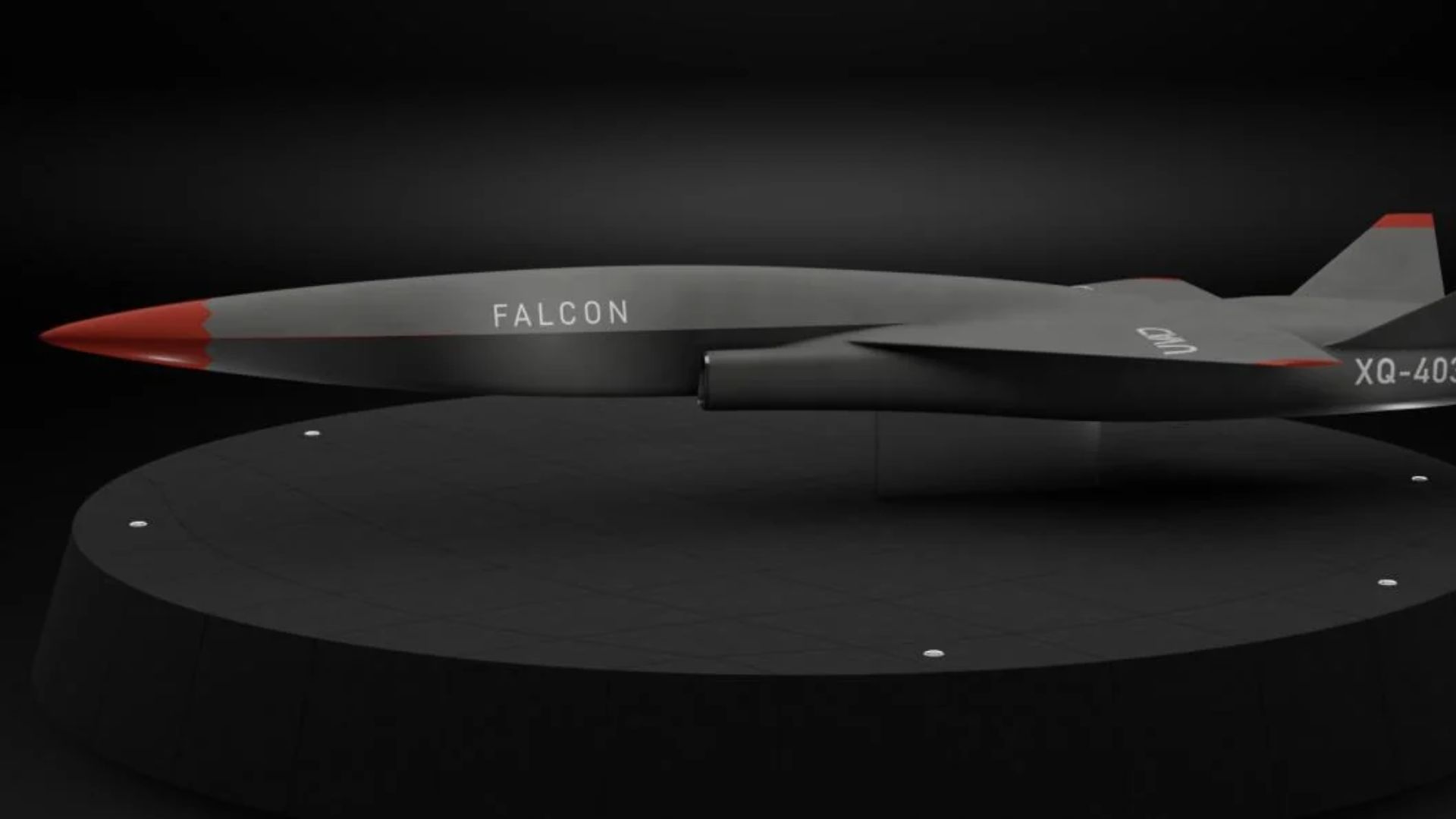
The Department of Energy announced that advanced technology is powering a new drone mission in Idaho. This special mission focuses on calcine retrieval efforts in the state. Flying drones will help handle tasks that are hard or dangerous for people to do alone.
What is the new Idaho drone mission doing?
The main goal of this project involves calcine retrieval efforts across the site. The Department of Energy is using advanced technology to fly these drones directly into target areas. Using flying machines allows the team to collect important data without putting human workers in harm's way.
This mission shows how far robot tech has come in recent years. By sending machines first, crews can inspect spaces that are hard to reach. The high tech tools on board give the team a clear view of the work zone in real time.
Why use advanced technology for calcine retrieval?
Handling waste materials like calcine requires extreme care and smart planning. Heavy machines and human crews often face big challenges when working in restricted zones. Advanced technology makes the whole process smoother, faster, and much safer for everyone involved.
Drones can carry sensors and cameras into places where traditional tools might fail. They help map out the area before any heavy equipment gets moved in. This smart approach saves time and keeps the clean up project moving forward according to plan.
How does this tech impact future energy cleanups?
Government agencies like the Department of Energy constantly look for better ways to handle site cleanups. Using smart flying tools sets a new standard for similar projects across the country. Here are a few reasons why this project matters right now:
- Better Safety: Keeps human workers far away from hazardous zones.
- Smart Tools: Uses advanced technology to gather precise facts from above.
- Faster Work: Helps the team finish complex tasks in less time.
As these tools get better, more state and federal sites will likely adopt them. Learning from this Idaho mission will help engineers build even smarter systems next time. It proves that modern machines can tackle heavy problems safely.
What should we watch for next in Idaho?
The current drone flights are just one part of the larger site work. The Department of Energy will track how well the machines perform during these calcine retrieval efforts. If the trial goes well, the agency might send more drones to other hard jobs.
Tech fans and local residents will be watching the results closely over the coming months. Seeing high tech solutions in action shows how useful smart tools can be for tough environmental jobs. More updates will surely follow as the mission moves into its next phase.

No comments:
Post a Comment